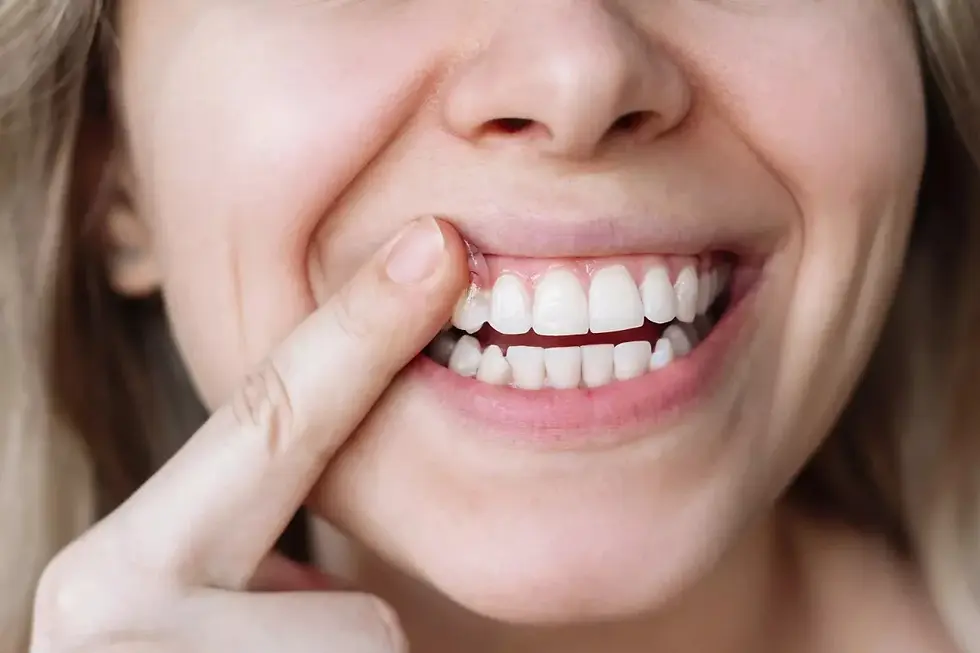
Dentin Hypersensitivity Causes, Symptoms And Treatments
Teeth are solid dental structures that assist in chewing and biting. The teeth are composed of four distinct dental tissues, among which is dentin. Dentin primarily aids in dental structure and helps transmit emotions through the teeth. Since dentin is a source of nerve tissue, it’s sensitive to temperature-related stimuli. DH is among the most frequent dental issues people experience. It may have a number of causes and can be treated by changing an individual’s dental hygiene routine. In this article, we’ll look at what causes DH, the signs to be aware of, and the treatments.
WHAT IS DENTIN HYPERSENSITIVITY?
Dentin hypersensitivity is one of the most often discussed dental problems. It occurs when the dentin is exposed to chemical, thermal, or osmotic stimuli, which can lead to extreme sensitivities and pain. Dentin is the component of teeth’ structure directly beneath the enamel. Dentin hypersensitivity, also known as dentin sensitivity, can lead to a significant decline in the quality of life for the person affected. Pain can occur during routine activities, such as eating hot or cold food, or the person’s appearance can be unattractive.

SYMPTOMS:
Patients with DH generally suffer from pain and sensitivity to stimuli, which are typically non-threatening. For example, gentle contact, gentle temperatures, and certain chemicals could trigger. Short, sharp bursts of pain may affect everyday activities like eating or drinking, talking, and brushing. Eliminating the stimulation from the tooth’s surface is usually enough to relieve the symptoms. Signs and symptoms of DH could include:
The sensitivity to cold or hot temperatures, for example, the cold wind
Brief, intense bursts of pain after eating or drinking hot or cold meals and beverages
Sensitiveness and pain when the tooth is touched or pressure is applied to the tooth's surface
Uncomfortable with certain products for the mouth that irritate, such as toothpaste with abrasive properties or mouthwash
Sensitization to sweet or acidic drinks and foods
WHAT ARE THE FACTORS THAT TRIGGER DENTIN HYPERSENSITIVITY?
Many factors can cause individuals to hypersensitive to dentin, such as:
Brushing the teeth too hard could scratch off the protective enamel that covers the tooth. Damage to enamel causes the dentin to be exposed, leading to dentin hypersensitivity.
Gum Recession One of the main reasons for gum recession is periodontal (gum) illnesses. Gum diseases can cause gums to recede out of the gum line, which causes the dentin below to become exposed. This can lead to the dentin becoming sensitive.
Broken teeth can let bacteria make it through the tooth's pulp teeth, leading to inflammation and tooth sensitivity.
The grinding of the teeth. Consistent grinding or clenching of the teeth, such as bruxism, can also lead to loss of enamel protection, which can cause sensitivity to the dentin.
The excessive use of abrasive substances such as hydrogen peroxide or baking soda to whiten teeth can cause damage to the enamel of your teeth and expose the tooth's deeper layers, which can cause tooth sensitivity.
Plaque accumulation on the tooth's surface could cause tooth sensitivity.
Prolonged use of mouthwashes can increase the likelihood of tooth sensitivity, especially when the dentin is exposed. The mouthwash's acidity can further increase the severity of tooth sensitivity.
This especially results from the consumption of foods that are acidic, like tomatoes, pickles, and tea, which may cause sensitive dentin.
Certain dental procedures like tooth scaling, tooth crowning, and tooth fillings may cause dentin sensitivity. But, the discomfort that is caused by these procedures typically disappears within about 4 to 6 weeks after the procedure.
TREATMENTS FOR DENTIN HYPERSENSITIVITY:
1. ORAL HYGIENE PRACTICES
Regular and consistent oral hygiene is vital to treating and preventing dental hypersensitivity. Brushing and flossing daily will help get rid of plaque and help prevent periodontal conditions. It is essential to use a gentle brush and a toothbrush with a soft bristle, as excessive scratching can cause gingival recession and erosion of the enamel, which exposes the dentinal tubules and the surface of the dentin, which are the primary source of sensitization.
2. DESENSITIZING TOOTHPASTE
Desensitizing toothpaste with ingredients such as potassium nitrate, potassium calcium citrate, chloride, and calcium carbonate can help block the transmission of the sensation through the dentin surface of the nerve via the dentin tubules. Dentin, as a result of frequent use of these types of toothpaste, can dramatically reduce the intensity of pain as time passes and effectively manage its hypersensitivity.
3. FLUORIDE APPLICATION
Dentists are able to employ fluoride in the areas that are sensitive to teeth to improve the strength of your tooth enamel and lessen the transmission of sensations via dentinal tubules. This treatment method is a reliable and safe way to manage dental hypersensitivity.
4. DENTAL PROCEDURES
In cases of severe dental hypersensitivity, treatments like tooth fillings or crowns, inlays, or bonding can be used to treat the root cause of the sensitivity. These treatments protect the dentin surface and decrease discomfort, relieving the extreme discomfort experienced.
5. PROFESSIONAL SCALING AND ROOT PLANING
If the sensitivity is due to periodontal conditions that cause gum receding or recession, then scaling and root planning might be recommended. This procedure deep cleans your gums and teeth by removing tartar buildup, which can cause irritation to your gums and contribute to further recession of the gums, which exposes more dentine. Following this procedure, the dentist in your area might also use an agent that reduces sensitivity, such as potassium salt, which can help reduce the sensitivity even more.
6. SURGICAL GUM GRAFT
A gum graft could be suggested in cases where the gingival recession is extreme and exposes too much of the root’s surface. This involves grafting a tiny piece of gum tissue from another area within your mouth to protect the root from being exposed, shielding the dentin, and decreasing the discomfort caused by dentinal tubules.
7. LASER THERAPY
Modern technology offers the option of laser treatment as a cure for dentin hypersensitivity. Laser therapy seals the dentinal tubules on the dentin’s surface, greatly reducing the sensitivity. This provides immediate relief from the severe discomfort caused by dental hypersensitivity.
SUMMARY:
DH, also known as sensitive teeth, is one of the most common dental issues. It is an acute, sharp pain that results from the exposure of dentin when it is triggered by certain factors, like temperature. Dentin is one of the dental tissues that compose teeth. It aids in maintaining the tooth’s structure and transmits sensations to the brain. Numerous dental problems, like gum disease or receding gums, may expose dentin within the teeth.
Controlling dentin hypersensitivity is crucial to ensuring the health of your mouth and overall well-being. Wonderland Family Dentistry offers a variety of methods to deal with sensitive teeth and enhance the comfort of your teeth. Taking proactive steps to deal with hypersensitive dentin can improve your overall health and ensure healthy teeth for many years to come.
FAQS
WHAT IS THE MECHANISM BEHIND DENTINAL HYPERSENSITIVITY?
Dentine hypersensitivity occurs when the dentine tubules are exposed, typically due to gingival recession or enamel wear. When exposed, the tubules can come into contact with stimuli that could trigger the flow of fluid inside them.
WHAT ARE THE BEST WAYS TO ADDRESS HYPERSENSITIVE TEETH?
The dentist at your visit may apply fluoride to the tooth’s sensitive areas. This will help strengthen your tooth enamel and alleviate the pain. Your dentist might also recommend that you take a fluoride prescription at home. Sealants or dental adhesives.
HOW DO YOU DETERMINE DENTINAL HYPERSENSITIVITY?
The diagnosis of dentine hypersensitivity can be confirmed using the dental explorer to determine the response to a tactile stimulus or an air blast to determine the response to a cold stimulus.
CAN DENTIN SELF-REPAIR?
Tooth enamel isn’t capable of self-repairing, while cementum and dentin can be regenerated in a limited amount. Caries frequently attack dentin and enamel.