


Have you ever felt a sudden sting in your teeth while drinking something cold or eating ice cream? If yes, you already know how tooth problems can make life harder. Simple things like chewing food or smiling at someone may feel uncomfortable.
These issues are not only for adults. Kids and older people also face them. Most of the time, they start very small, like a tiny pain or a small spot, but if you ignore it, the problem grows.
Common habits like eating sweets all the time or forgetting to floss play a big role. Accidents or even age can also cause them. If you find the problem early, it saves you from pain and from spending more money at the dentist.
If you do not brush properly, plaque starts forming. Plaque is that sticky layer that feels rough when you run your tongue over your teeth. If it stays too long, it becomes hard tartar that damages gums and teeth. Eating and drinking too much sugar, like soda or candy, feeds the bacteria in your mouth.
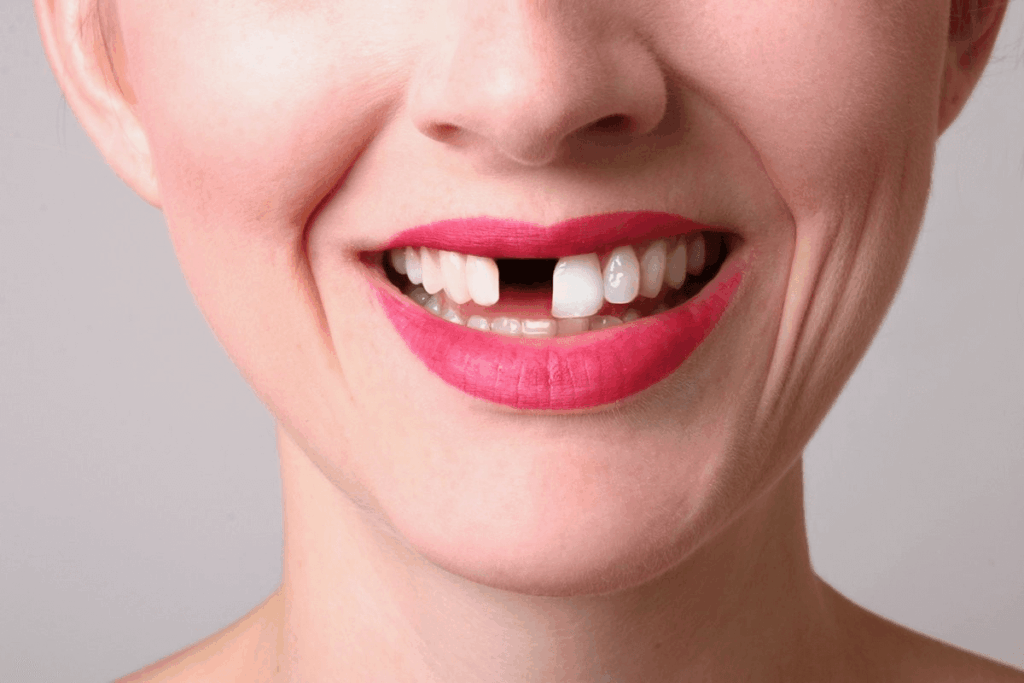
Saliva is important because it naturally washes teeth. Hormonal changes, such as during pregnancy, can make gums swell. Smoking or chewing tobacco stains teeth and weakens gums badly. Stress can also make people grind their teeth, which slowly wears them down.
Diabetes slows down healing, so infections stay longer. When you know these causes, you can avoid some of them before real trouble starts
Things That Often Cause Tooth Problems
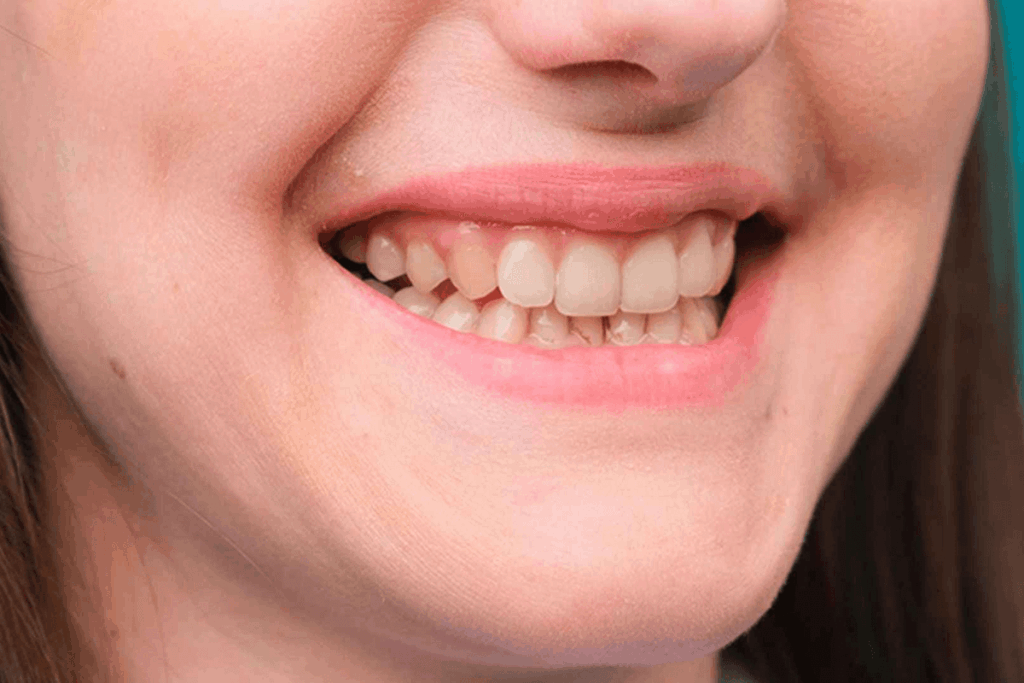
Your teeth and gums usually give clear signals. Pain is the main one. It can be dull, or it can feel like a sudden shock when you bite something. Gums that swell or bleed during brushing may mean infection.
If an adult feels their teeth getting loose, it may mean bone loss. White marks on teeth are an early sign of decay, while dark lines or pits mean cavities are already forming.
A bad taste in the mouth or sores that do not heal could be serious. Sometimes the bite feels strange, like the teeth don’t fit together as before.
That may come from grinding or shifting teeth. All of these signs mean you should not wait too long to see a dentist.
Warning Signs to Notice
Most of these can be prevented if you care for your teeth every day.
Signs of cavities include: white or dark marks, pain when eating sweets, or even feeling a hole with the tongue. Bad breath may also come with it.
Dentists treat cavities by removing the decay and filling the hole. If the cavity is big, they may put a crown. If the damage goes deep into the pulp, a root canal is needed.
Cavities are the number one tooth problem in the world, but if you catch them early, they are easy to fix.
Gum disease starts as gingivitis, which makes gums red and easy to bleed. If ignored, it becomes periodontitis, which harms the bone that holds the teeth. Smoking, diabetes, and poor diet make it worse. Early signs are swollen gums, loose teeth, or a bad taste.
Dentists treat it with deep cleaning, which removes tartar under the gums. Sometimes antibiotics are used. In very bad cases, surgery is needed.
Prevention tips: brush gently near the gums, use mouthwash, quit smoking, and eat fruits and vegetables.
How to fix it: scrape the tongue daily, drink water often, chew sugar-free gum, and avoid strong-smelling food before social events.
Fixes include: desensitizing toothpaste, fluoride treatment, soft toothbrushes, drinking acidic drinks with a straw, or dentist bonding.
Acid from foods and drinks wears enamel thin. Teeth get weak, yellow, and may chip. Using straws and avoiding soda helps. Dentists may fix it with bonding or veneers.
Coffee, tea, wine, and smoking stain teeth. Whitening treatments or strips can reduce stains. Brushing right after drinking dark liquids helps prevent them.
Wisdom teeth often get stuck under the gums. This causes pain or swelling. Dentists usually remove them after X-rays confirm the problem.
Small blue or gray spots in the mouth can appear when dental filling material gets into the gums. They are called amalgam tattoos. They are harmless but dentists usually keep an eye on them.
Tooth problems like cavities, gum disease, or sensitive teeth can disturb daily life. But if you notice the signs early, treatment is easier.
Pay attention to pain, bleeding gums, or bad breath, and do not ignore them. Brushing properly, eating less sugar, and visiting a dentist two times a year can stop most problems.
If something feels wrong, it’s always safer to check. A short visit may save your teeth and keep your smile bright.