


Tooth extraction refers to the removal of a tooth from your mouth. Dentists perform this procedure when a tooth is causing issues or is not able to be saved. This is a standard procedure for adults as well as children.
This article will explain the reasons why teeth should be removed, the process by which it happens, how to recover and methods to prevent issues. We’ll be using simple terms to make it easy for everyone to follow.
The surgical cases are more time-consuming and may require stronger medication to ensure your comfort. Both kinds aim to resolve the issue without causing as much pain as feasible.
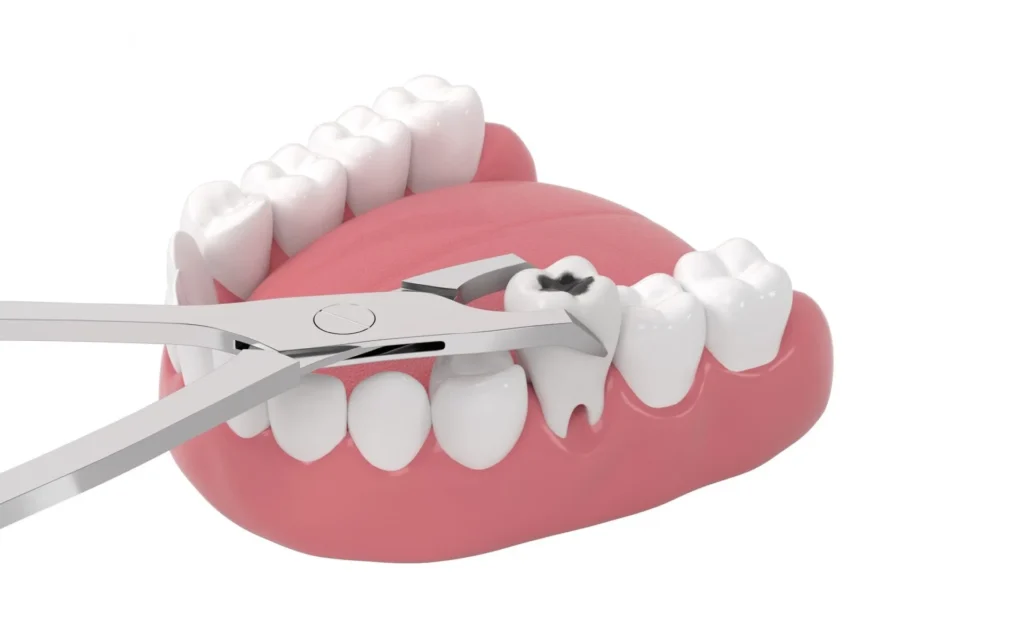
Dental infections may spread to other areas of the body if left untreated. Removing a tooth with a problem reduces pain and helps protect your health. The replacement of the tooth later on with implants or bridges will restore normal function.
The X-rays reveal the roots of your tooth as well as the jaw bone. It is possible to share any medication that you are taking, including blood thinners. If you’re sick, such as suffering from a cold, the appointment may be delayed.
The dentist will explain what’s about to take place and will answer your questions. For easy extractions, you’ll need shots of numbing. Surgery procedures may use more powerful drugs to help relax you. Children often receive extra care to keep their minds at ease. Understanding the rules makes the day more enjoyable.
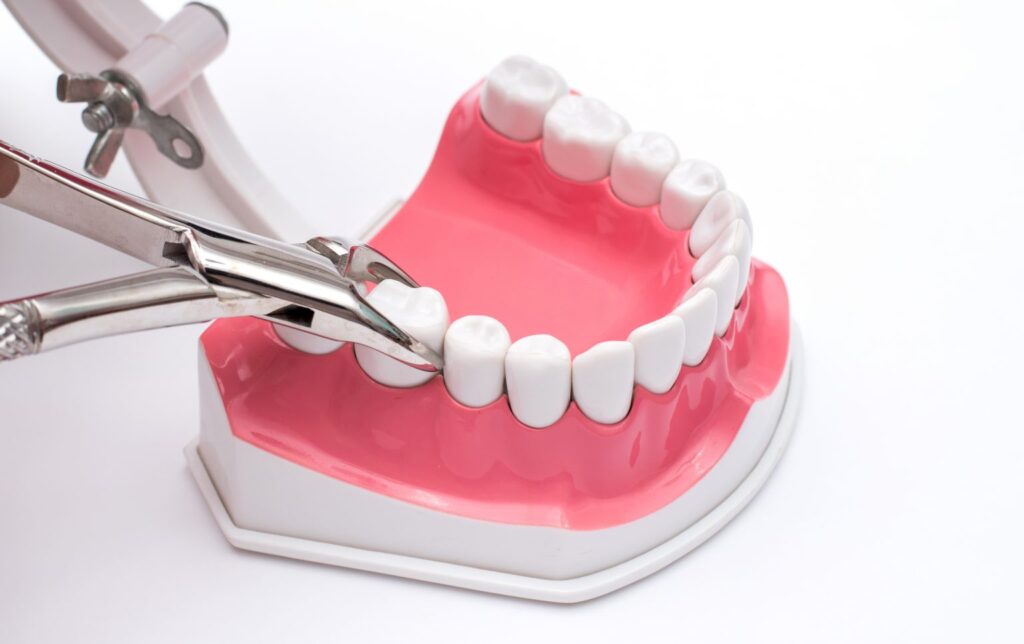
The day before your procedure, you’ll be in a chair. To perform a straightforward extraction dentist will numb the area by administering shots.
The patient feels pressure but not discomfort as they loosen the tooth. The tooth will be out in just a few minutes. Surgery requires additional steps. The dentist will numb you and might prescribe calming medication.
The dentist will cut your gum to take out the tooth, and then close the area with a stitch. The whole process can take between 20 and an hour. The instructions are clear for your home after leaving.
The healing process can take a couple of days to two weeks. A blood clot is formed in the area where the tooth was which aids in healing the gum. You may feel tender or experience swelling for a few days. Ice packs placed on your cheeks can reduce swelling. Soft foods like yogurt and soup are the best options to start with.
Make sure the area is clean by gently washing it by using salt water. The majority of patients feel normal after one week, however full healing can take longer in surgical cases.
Consult your dentist if the discomfort persists for some days or there is pus. Fast care can fix most issues before they become something more serious.
Consume soft food items like mashed potatoes for a few days. Avoid sweets that are sticky or crunchy. Follow any prescription exactly as directed. Relax as long as you can on the first day. Check-ups afterward to ensure all is well.
The cost of extraction is contingent on the location you reside in and the kind of procedure you are undergoing.
Some plans limit adult coverage. Request an upfront price. Payment plans are a way to spread costs. Low-cost or free clinics can be helpful when money is tight. Make sure to check the amount your insurance will cover prior to beginning.
Certain extractions cannot be avoided however, you can reduce chances of having to undergo. Make sure you brush twice a day and floss every day to prevent the formation of cavities. Visit your dentist at least every two months to have a cleaning.
Wear a mouthguard when you engage in sports to safeguard your teeth. Reduce the amount of sugary drinks and foods which can harm enamel.
When the tooth is gone, life improves quickly. The discomfort caused by a tooth injury ceases. It is easier to eat after the mouth recovers. It is possible to replace missing teeth with bridges, implants or dentures to fill in gaps.
Follow the instructions for care to help to heal quickly and without hassle. Regular dental examinations can detect problems early and could help prevent extractions.
If you’re experiencing discomfort in your teeth or feel something is different, you should visit your dentist as so on as possible.
A quick visit could make your smile last longer and ensure your mouth is healthy for a long time.