


Maxillofacial surgery is a procedure that concentrates on the face, jaw, and mouth. They play a significant role in the treatment of structural problems as well as injuries, deformities and more complex dental issues.
To help with this, we will review in this article the goal of maxillofacial surgery as well as the different kinds of maxillofacial surgeries that are available, and what patients should expect prior to and after the procedure.
Maxillofacial surgery is a procedure to treat and diagnose conditions which affect the bones and tissues of the mouth, face and jaw. This covers everything from correcting problems with alignment to treating the damage that is caused by injury. “Oral and Maxillofacial Surgery” covers a broad range of surgeries that integrate the expertise of a dentist with medical treatments.
Surgeons working in this area undergo a vast education that covers dental surgery, surgery anesthesia, as well as facial reconstruction.
These procedures address issues that cannot be resolved with simple dental treatments. They require precise procedures that enhance chewing capacity, breathing, facial symmetry, speech and long-term oral health. Certain procedures are simple and are performed in an outpatient setting in contrast to others that are more complicated and require a hospital.
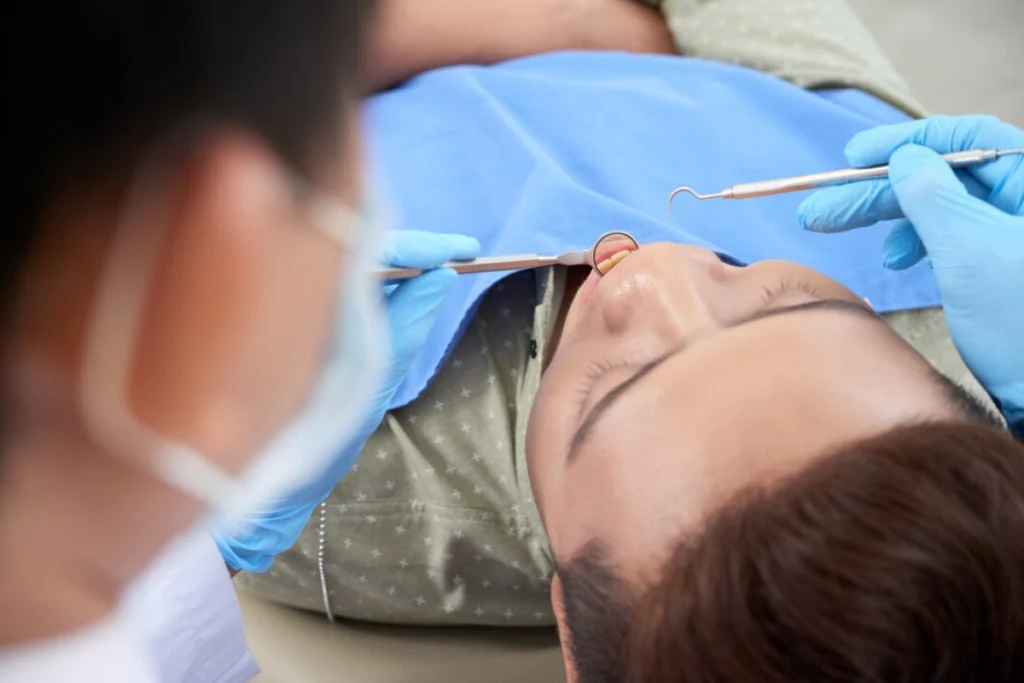
Jaws that aren’t aligned correctly can cause issues when chewing or speaking, breathing as well as facial alignment. Surgery can help reposition jaws so that the teeth are aligned properly and the bite is functioning naturally.
Injuries from sports, accidents or falls may cause damage or fractures to facial bones. Maxillofacial surgeons treat these fractures and restore normal function.
Tumors, cysts, or serious infections in the mouth or jaw require surgical treatment to avoid complications.
In certain cases braces alone aren’t enough to fix severe dental problems. Surgery is sometimes required in order to build the correct base for orthodontic work.
Maxillofacial surgeons are able to perform a vast variety of procedures based on the needs of the patient. The type of procedure recommended is determined by the severity of the problem and how severe the problem and the desired result.
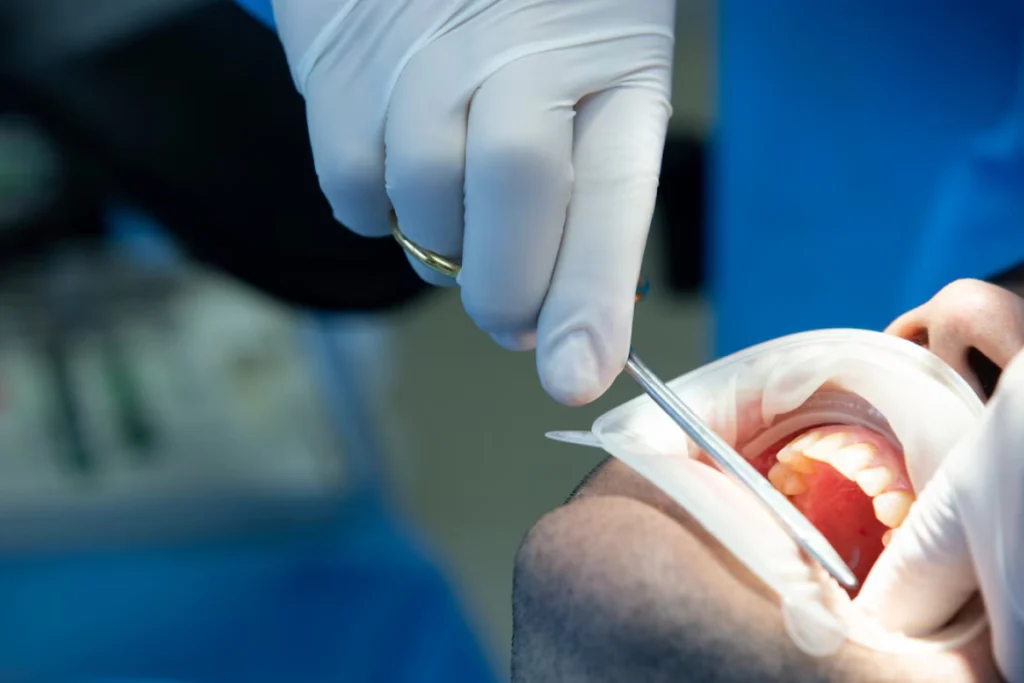
This procedure is performed to move the lower or upper jaw to the proper jaw position. This procedure is typically performed to correct misalignments that affect chewing or speech, as well as appearance. Corrective jaw surgery may improve the symmetry of facial breathing and breathing.
While it is not one of the most frequently performed treatments, wisdom teeth that are impacted may require surgical intervention when they are firmly placed or are positioned in a way that may cause harm to adjacent teeth.
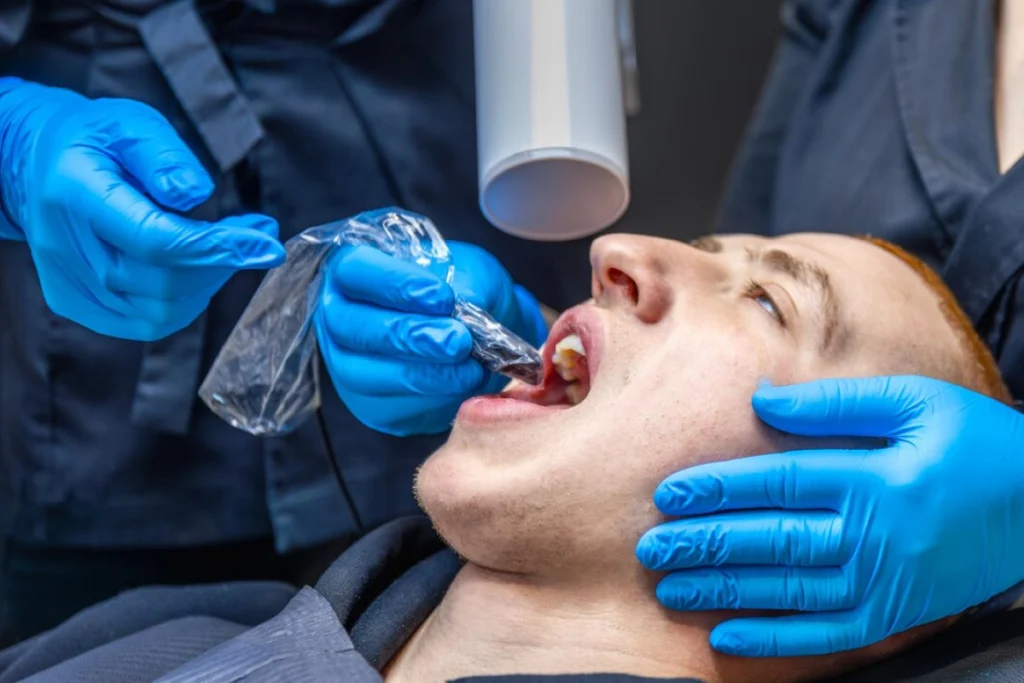
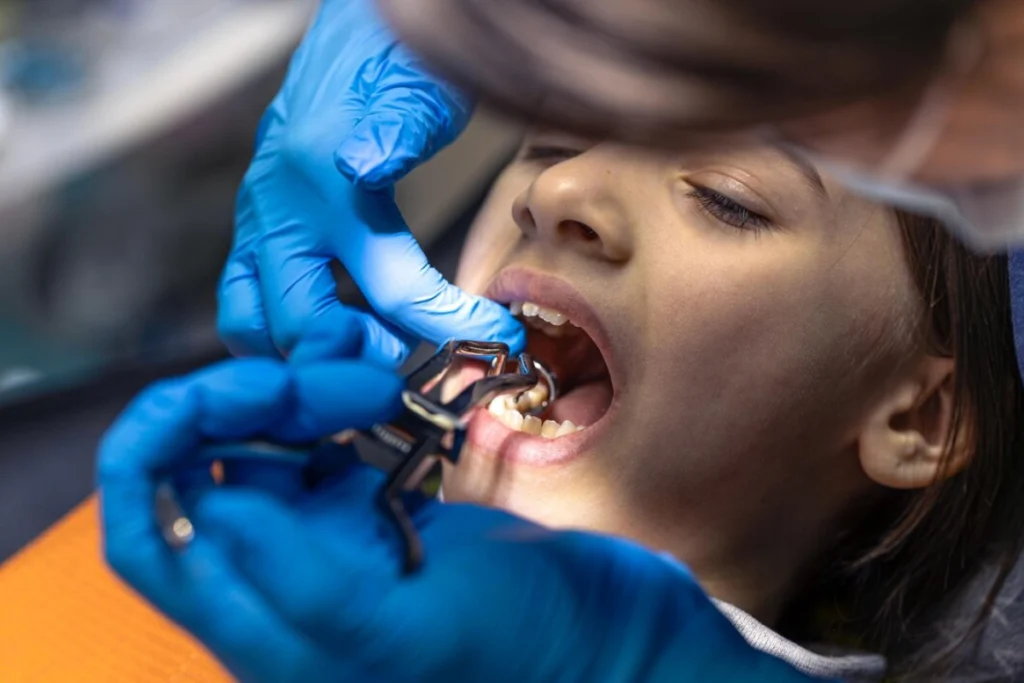
Surgeons can treat fractures to the cheekbone, jaw, the eye socket and the nose. These procedures improve functionality and appearance.
If teeth are missing, implants are inserted in the jawbone to serve like permanent alternatives. Maxillofacial surgeons are able to handle cases in which bone grafting or complicated placement is needed.

Patients suffering from severe temporomandibular joint issues may require surgery to relieve the pain, improve movement and improve jaw joint function.
These surgical procedures aid in restoring the proper function and improve the appearance of those born with facial and oral clefts.


Reconstruction is typically required after surgery for tumor removal, trauma or other congenital deformities. The surgeries can restore function, structure and appearance.
The symptoms could include jaw pain that is chronic difficulties chewing or biting or breathing difficulties when sleeping and jaw dissymmetry and frequent jaw locking.
The diagnosis begins with a thorough exam, which includes X-rays, CT scans, and 3D imaging. These tools enable the surgeon to analyze the structure of bones, health of tissues as well as jaw alignment. The treatment is generally advised for those with indications or signs of gum illness that are not able to be treated with regular dental cleaning on their own.
Patients can also be screened to determine breathing habits, bite issues as well as facial alignment.
The surgeon examines the patient’s medical history, their symptoms, as well as previous dental procedures to determine if surgery is needed. In more complex cases orthodontists ENT specialists general dentists can be involved when determining the treatment and diagnosis.
The process of preparing for surgery includes various steps. Patients might be required to undergo medical examinations as well as adjust their medications. They may also visit an anesthesiologist. The surgeon will explain the procedure, the recovery timeline and expected outcomes. Based on the procedure braces or splints might be required prior to surgery.
In general, the instructions for pre-surgery include not eating food for a specific period of time, planning transportation after surgery and making soft food to help recover. Patients should also consider taking some time off from school or work in accordance with the kind of procedure.
Smaller procedures can be completed by sedation and local anesthesia.
During the operation surgeons, make precise incisions, adjust the bone’s position and remove teeth that are damaged. He also rebuilds injured areas or installs implants based on the goal of treatment. The internal plates and screws or grafts are used to aid in healing.
The recovery process is contingent on the type of surgery that is performed. Inflammation, pain and limited mobility are typical in the first few days. Soft foods, cold compresses and prescribed medication aid in healing.
Patients are given specific guidelines regarding oral hygiene, diet and levels of activity. Regular visits to check increase the process of healing is proceeding efficiently. In certain instances physical therapy or ongoing orthodontic treatment is necessary.
Maxillofacial surgeries provide long-term improvement in comfort, function, and appearance. They aid in correcting bite issues as well as relieve chronic pain. They can also fix injuries, improve facial structure and breathing. Surgery for many patients can help build a stronger foundation for any future dental work and boosts overall confidence.
Anyone who is experiencing persistent jaw discomfort, facial swelling or difficulty chewing, indications of infection or trouble breathing in sleep is advised to seek a medical evaluation. The early detection of problems ensures long-term health.
Patients struggling with severe orthodontic problems may be able to benefit from consultation.
If you have a proper diagnosis, expert surgical procedure, and careful monitoring, maxillofacial surgery is able to improve comfort, appearance, and provide an improved future.