Teeth Clenching: Causes, Risks, and How Night Guards Protect Your Smile

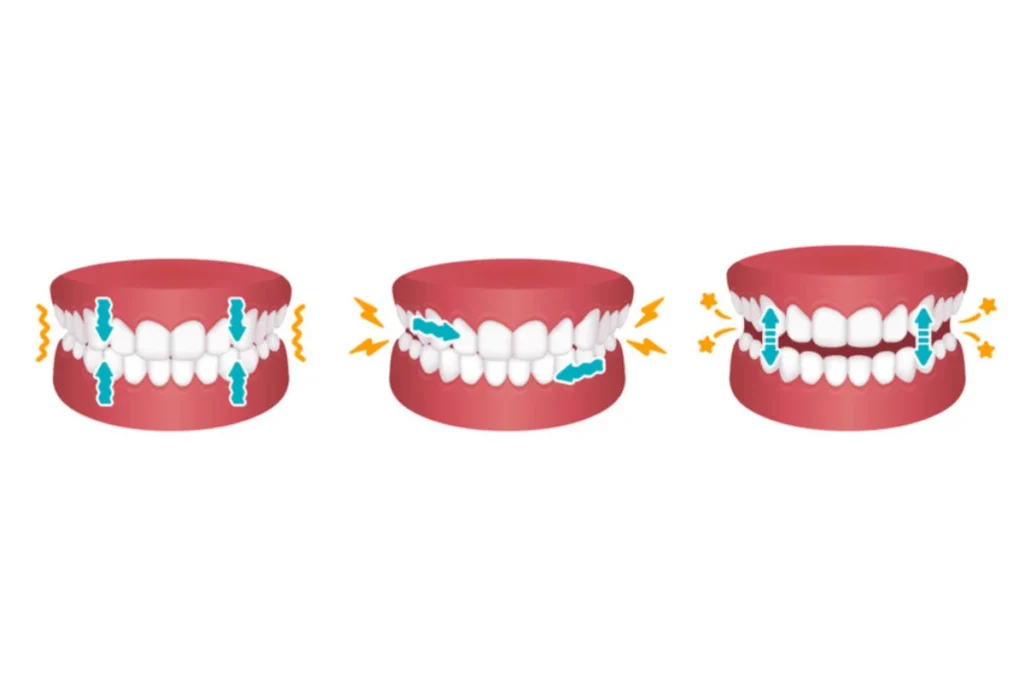
Teeth clenching is a typical problem that many suffer from and do not realize it. The medical term for it is bruxism. Teeth clenching involves pressing the upper and lower teeth with a great deal of force.
The habit is most common at night, but it may also occur throughout the day, particularly when there is tension or concentration.
When untreated, teeth grinding can cause serious jaw and dental issues, so early diagnosis and appropriate treatment are crucial.

What Is Teeth Clenching?

Teeth clenching happens when someone keeps their teeth in place and does not speak or chew. In contrast to grinding teeth that involves swiping the teeth in a circular motion while chewing, clenching keeps the jaw in a slack position.
While clenching does not always cause visible marks on the teeth, it exerts a tremendous stress on the jaw muscles, the jaw joints, and tooth roots.
Most people do not realize that they clench their teeth, as it often happens while they sleep. Some people may not realize they are doing it when they are stressed, driving, at work, or just focusing on a task. Since the behavior is repetitive and forceful, it may cause injury long before signs appear.

Common Causes of Teeth Clenching:

Stress and anxiety are the top causes of teeth grinding. Stress and anxiety can cause the body to react physically. Jaw muscles are often a source of tension. People who suffer from chronic stress might grind their teeth throughout the night and in the daytime.

The factors that influence sleep play an important part. The clenching of teeth is frequently linked with problems with sleep, which can include disturbed sleep cycles. In some instances, the clenching can occur in conjunction with other sleep-related issues.
Habits of life, like excessive intake of caffeine, smoking, or drinking alcohol, can contribute to the frequency of clenching incidents.
Issues with alignment and bites, as well as missing teeth, can cause clenching. If teeth don’t meet evenly, the jaw could try to compensate by tensing, which can lead to muscle overuse and clenching.

Signs and Symptoms You Should Not Ignore:

Teeth clenching can trigger various symptoms, some of which are gradual in their development. A few of the more prevalent symptoms are jaw pain or stiffness, particularly in the morning. Certain people suffer from headaches that begin near their temples and move across the head after awakening.
Tooth sensitivity is a different indication. If pressure is constantly applied to teeth, the enamel will weaken, which makes the tooth enamel more sensitive to cold or hot food items. Chips or cracks in teeth can be more serious instances.
The strain caused by clenching can be felt in the jaw joints. This can cause popping, clicking, or pain when closing or opening your mouth. In time, this strain can cause jaw joint problems and reduce jaw movement.

Why Treating Teeth Clenching Is Important?

Inattention to teeth clenching may result in long-term dental issues. Continuous pressure on the teeth can increase the risk of tooth fractures or worn enamel, as well as damage to dental restorations like fillings or crowns. In extreme cases, tooth loss could be caused by structural weakness.

Jaw muscles can also be affected by the clenching of your jaw. Inflamed muscles from overuse can cause permanent facial pain and restricted jaw movement. Tension in the muscles may cause issues with everyday activities, such as eating or speaking.
It can also affect sleep quality.

The repeated jaw movement during sleep causes sleep disruption and can leave people feeling tired even after a long night’s sleep. Treating the issue is not just a matter of protecting your oral health but also boosts overall well-being.
How Night Guards Can Help With Teeth Clenching?

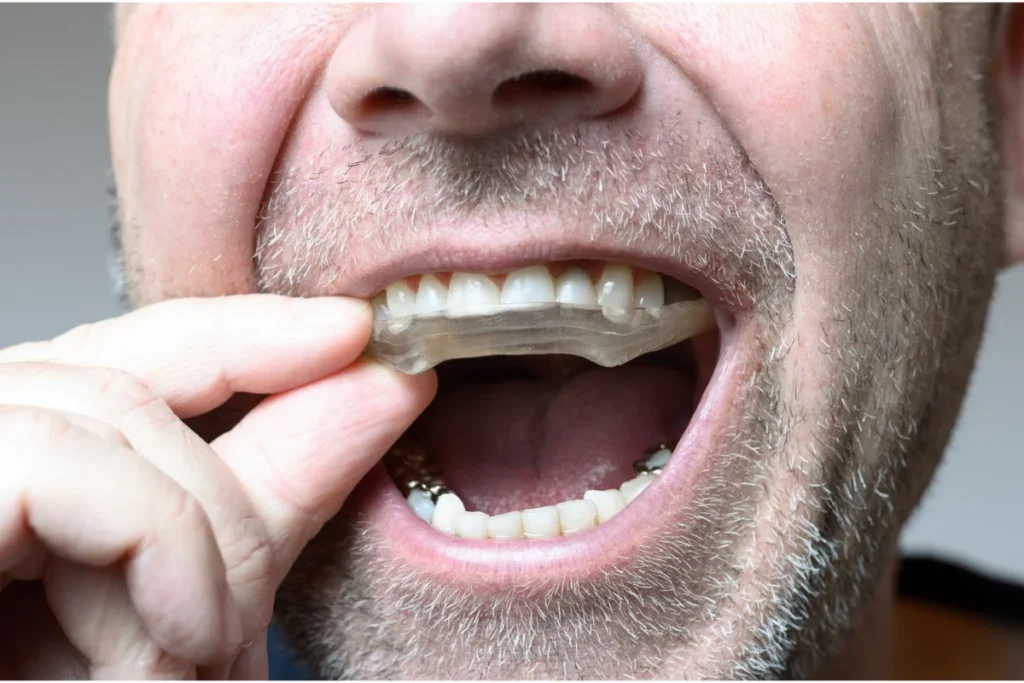
A highly effective solution to stop teeth from clenching is the application of a specially-designed occlusal splint that is commonly referred to as a nightguard. Night guards are an oral appliance made to be affixed comfortably to the teeth and provide a layer between the lower and upper arches.

When jaws are clenched during sleep, the nightguard absorbs the force and prevents the direct contact of tooth to tooth. This decreases the pressure placed on the jaw and teeth muscles, reducing discomfort and damage.

By maintaining the jaw in a relaxed posture, night guards reduce tension in the muscles during sleep.

Custom-designed night guards are made with exact dental impressions that guarantee an uninjured and snug fit. This level of precision lets the device function efficiently without affecting the ability to breathe or sleep.

Benefits of Using a Custom Night Guard:

Custom night guards have major advantages over untreated clenching. They shield teeth from overpressure, which reduces the risk of chips, cracks, and the erosion of enamel. This is crucial for those who have dental restorations.

Night guards also aid in relieving muscle soreness and jaw pain. A lot of patients report fewer morning headaches as well as less tension on the jaw following consistent use. By reducing the strain on the jaw joint, night guards aid in preventing long-term joint problems.
Another benefit is better quality sleep.
By reducing muscle and jaw tension, the body can be in a more restful, deeper, and relaxed state of sleep. This can lead to higher energy levels and better performance in daily activities.

Custom-Designed Night Guards Vs Store-Built Options:

Although mouthguards that are sold in stores are readily available, they’re not designed to deal with teeth clenching properly. They often offer an inadequate fit, which could cause strain on your jaw or cause discomfort while sleeping. Improper alignment may even worsen clenching symptoms over time.

Custom-designed night guards for your teeth are made specifically for the individual’s bite. This exact fit guarantees an even distribution of pressure and the highest comfort.

A properly-designed appliance is also long-lasting and more durable, and therefore a safer and more efficient option.

When to See a Dentist:

If you have chronic jaw headaches, frequent pain, or other signs of tooth wear, it is crucial to speak with your dentist. An early evaluation will allow for accurate diagnosis and prompt treatment prior to the damage becoming permanent.

A dentist can determine the extent of clenching, examine the jaw joints and teeth, and recommend a suitable treatment plan. In most cases, an individual night guard can provide immediate relief and protection for the long term.

Final Thoughts:

Teeth clenching is a frequent but often condition that could lead to serious jaw and dental issues if not treated. Although it appears harmless initially, the constant pressure on the jaw and teeth can result in permanent damage over the course of time.
Custom night guards provide an effective, proven solution for protecting teeth and muscles, reducing strain on the muscles, and improving the quality of sleep. Getting professional help ensures the right treatment and maintains the health of your teeth for a long time.
Call Now Button